

introducing:
FONUA KIMOANA

Fonua Kimoana
Forgiveness:
Follow on Social Media


Family of man murdered in West Jordan
now calling for inmate’s release after 14 years


Fonua Kimoana's Story
Fonua Kimoana was born on May 4, 1979, in Utah. He is the third of ten children born to Koli and Ilisapesi Kimoana and was raised in Glendale, Utah. Fonua grew up with one older brother, one older sister, six younger sisters, and a baby brother.
Koli, who was born in Tonga, became a professional boxer and traveled the world competing in the ring. Ilisapesi was also born in Tonga. The two met in Hawaii and moved to Utah in 1978. Unable to speak, read, or write English, Fonua’s parents worked multiple jobs to support their rapidly growing family. The Kimoanas were active members of The Church of Jesus Christ of Latter-day Saints. Despite their deep religious devotion, Koli ruled the household with an iron hand—a rigid discipline that ultimately pushed Fonua to seek belonging and acceptance on the streets with friends outside the home.
Around the age of twelve, Fonua became affiliated with a group of young men from his local church congregation. Together, they formed the Baby Regulator gang, modeling it after the older generations within their families. What began as innocent camaraderie—easily dismissed as “boys will be boys”—grew increasingly dangerous as the boys got older, bigger, and stronger. Fonua was still in sixth grade when he smoked his first cigarette. By seventh grade, he was smoking marijuana, drinking alcohol, and engaging in sexual promiscuity. As his size and strength grew, so did his reputation for being capable of serious violence.
Yet despite his life as a founding member—“Day One”—of the Baby Regulator gang, Fonua remained a compassionate brother to his siblings. Those who truly knew him, even rival gang members, recognized and respected him as someone with a genuinely good heart.
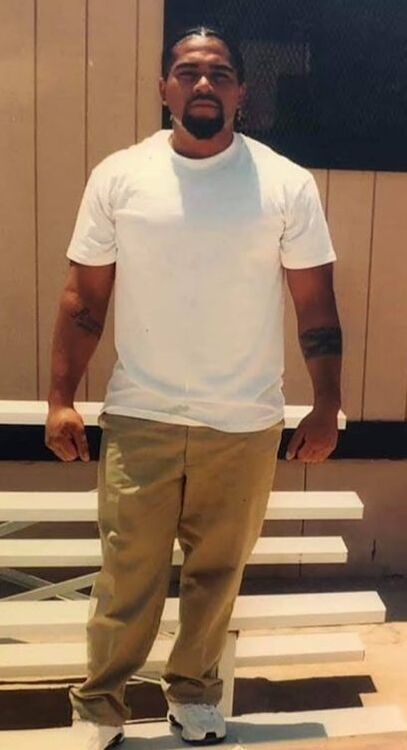
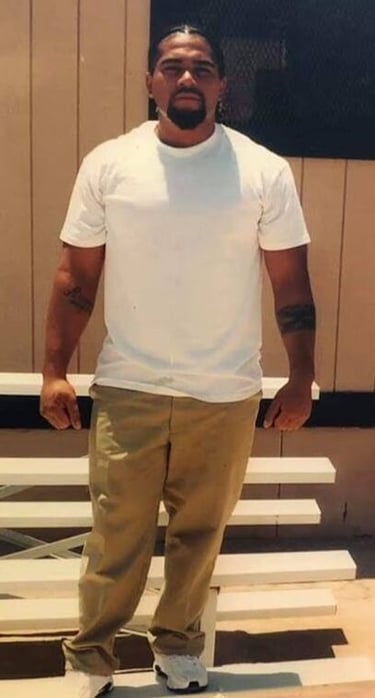
Eventually, his life of addiction and gang involvement led where it almost always does: prison. Fonua cycled through incarceration again and again—jail, state prison, federal prison, and back once more.
During his time as an active gang member, he met Elisha Paiz. They had their first child, a daughter they named after his mother. Soon after, Elisha became pregnant again. Their second daughter was named Kulaea. When the girls were just three years old and one year old, their young family’s world was turned upside down.
In October 2008, Fonua became a person of interest in the kidnapping and murder of Jay Wolfinger. The problem was simple and devastating: Fonua was innocent. Not only had he not committed the murder, he had actually tried to stop the person who did—only to be threatened himself in the process.
At his mother’s request, Fonua turned himself in, believing he could clear his name. But coming from a large family with immigrant parents who worked whatever menial jobs they could find, there was no money for a private attorney. Fonua was assigned a state-appointed defender.
When Fonua told his attorney he wanted to go to trial because he had not committed the crime, he was told flatly that a trial would not happen. He would be accepting a plea deal. Desperate, Fonua asked the judge to appoint a new defender—someone who would actually defend him. The judge granted his request.
The second state-appointed defender told him the same thing as the first: there would be no trial. He was going to take a plea deal. Period.
With no money for private counsel and no defender willing to fight for him, Fonua was forced to accept a plea deal for murder and aggravated kidnapping. He was sentenced to fifteen years to life.
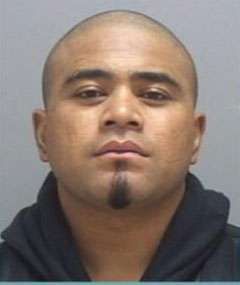
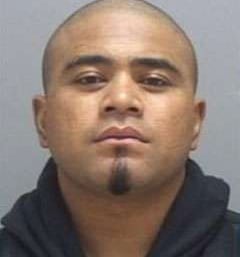
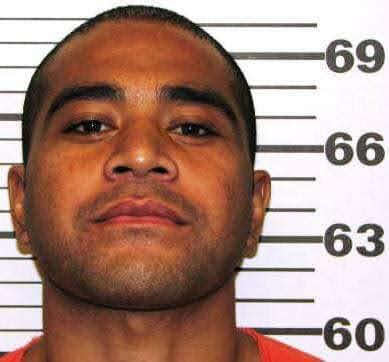
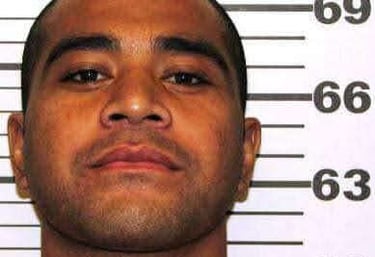

That moment marked a turning point for Fonua. In an instant, he realized he had lost his freedom—to addiction, gang involvement, and a habit of prioritizing others when he should have been home caring for his family. Right then, he resolved to make real changes. He even began trying to rub off the gang tattoo on his hand, a physical symbol of the transformation taking place in his heart.
When the opportunity finally came, Fonua formally renounced his membership in the Baby Regulator gang and cut all ties to gang life—meetings, handshakes, and everything else. His focus narrowed to a single purpose: getting home to his daughters. He was prepared to disappoint anyone and everyone before ever disappointing his girls again.

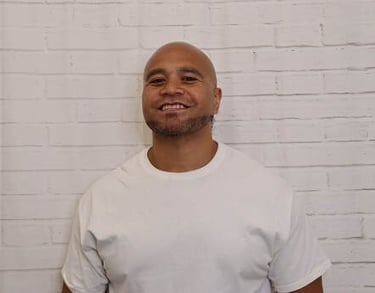
Fonua tried repeatedly to prove his innocence and overturn the “life top” sentence hanging over him, but nothing worked. Still, he kept doing the hard, quiet work of bettering himself in every way he could, determined that if he were ever granted his freedom, he would never return to his old habits, lifestyle, addictions, or mindset. He knew that staying true to that promise meant he would never return to prison again.
© 2025. All rights reserved.